
Case Study
Yethindia COVID-19 Awareness Campaign, Warangal (Telangana)
Background
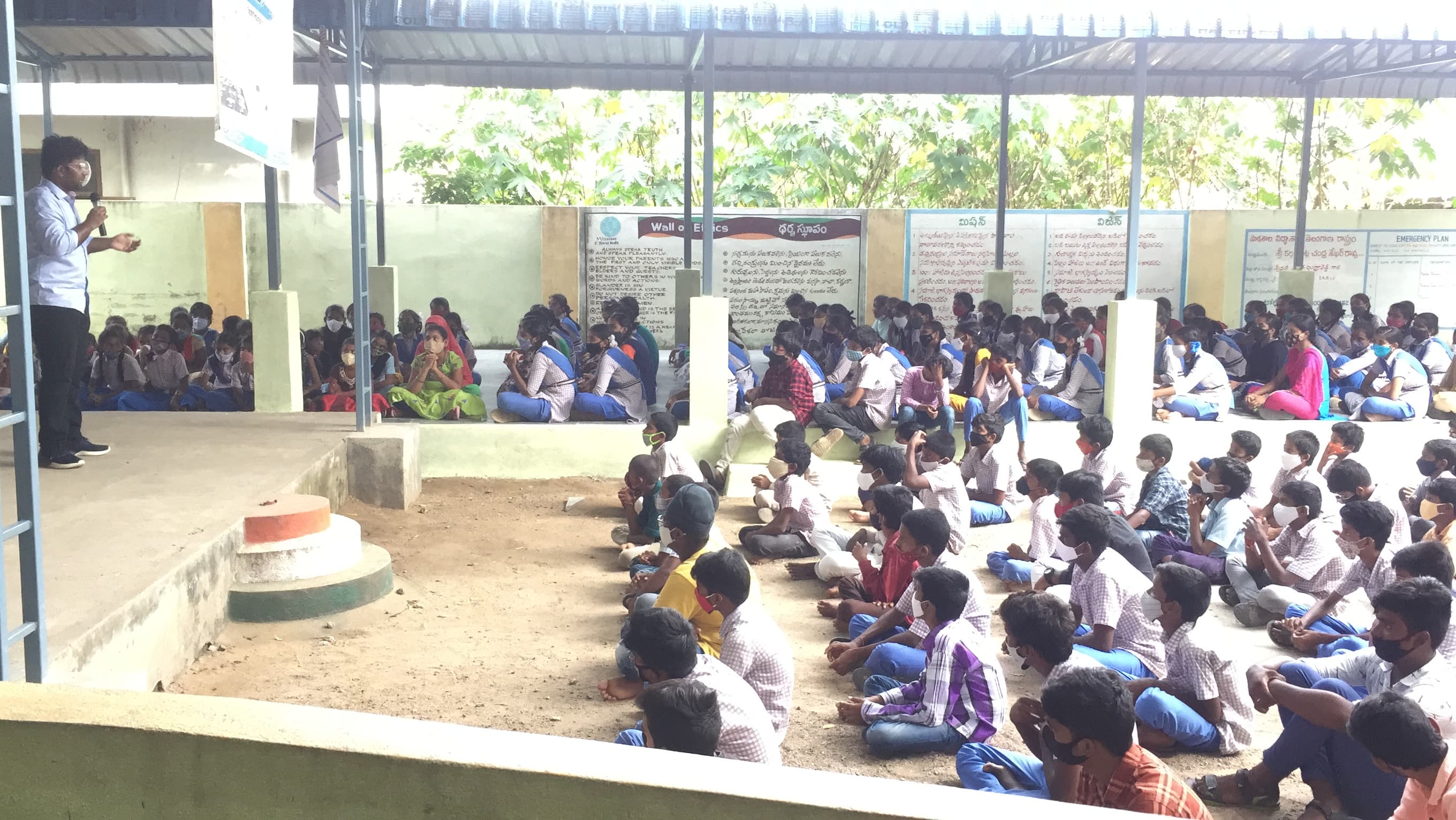
During the crucial stages of the COVID-19 pandemic, misinformation, fear, and restricted access to trustworthy health education emerged as significant obstacles, especially for school-aged children and local communities. To address the need for innovative, safe, and scalable health communication, the Yethindia COVID-19 Awareness Campaign was devised and executed as a community-focused public-health initiative. This campaign was officially launched in Warangal, a prominent urban area in the state of Telangana, with the aim of encouraging preventive behaviors and enhancing COVID-19 knowledge among school children and the general public.
Objectives
- To enhance the understanding of COVID-19 and promote preventive measures among students and community members.
- To provide health education that is contactless and digitally accessible during pandemic-related restrictions.
- To address misinformation with straightforward, visual, and evidence-based communication.
- To aid public health initiatives by emphasizing the importance of wearing masks, maintaining hand hygiene, and practicing social distancing.
Intervention Design
The Yethindia initiative implemented a mixed outreach strategy that integrated in-person engagement with digital resources to prioritize both safety and efficiency.
Key Innovations
- This world's-first QR-code-based awareness campaign provided scannable QR-code cards, which were crafted to be both sanitizable and reusable.
- QR codes connected to animated and visual educational materials on COVID-19 prevention were provided.
- Contactless information dissemination minimizes the risk of virus spread.
Target Setting
- Schools throughout Warangal District.
- Students, educators, and school leaders are the main drivers of change.
Implementation
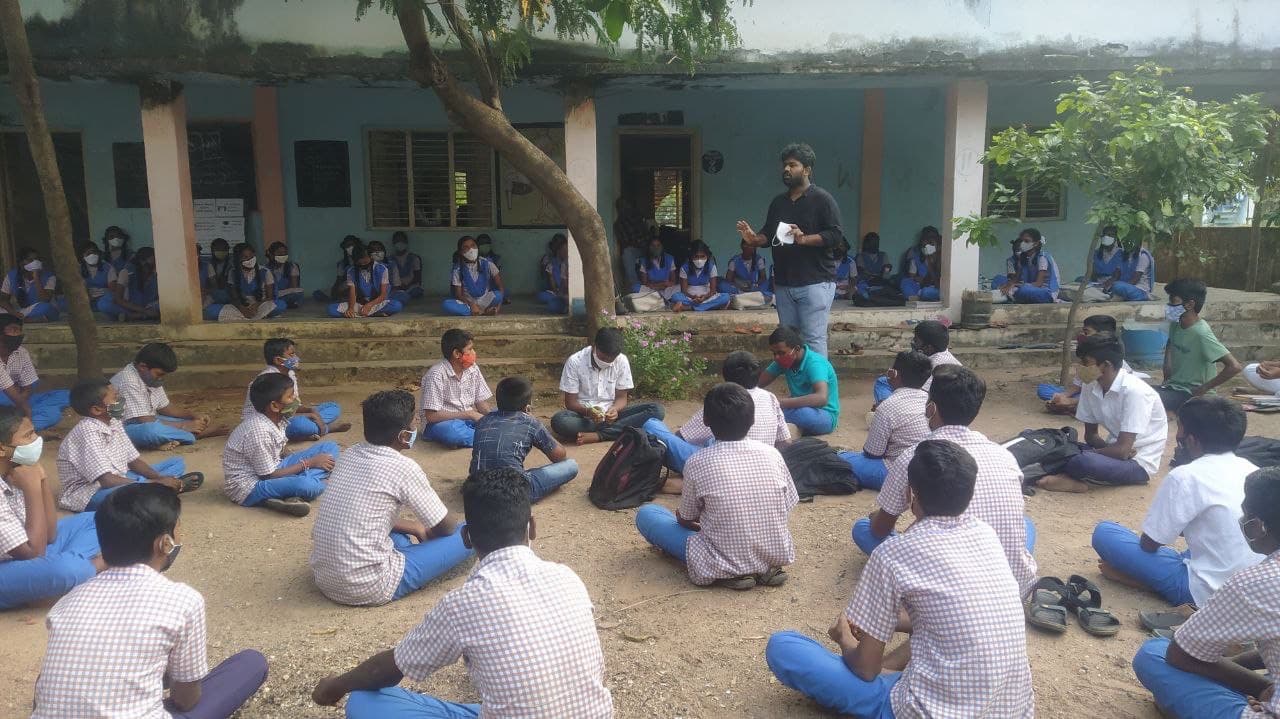
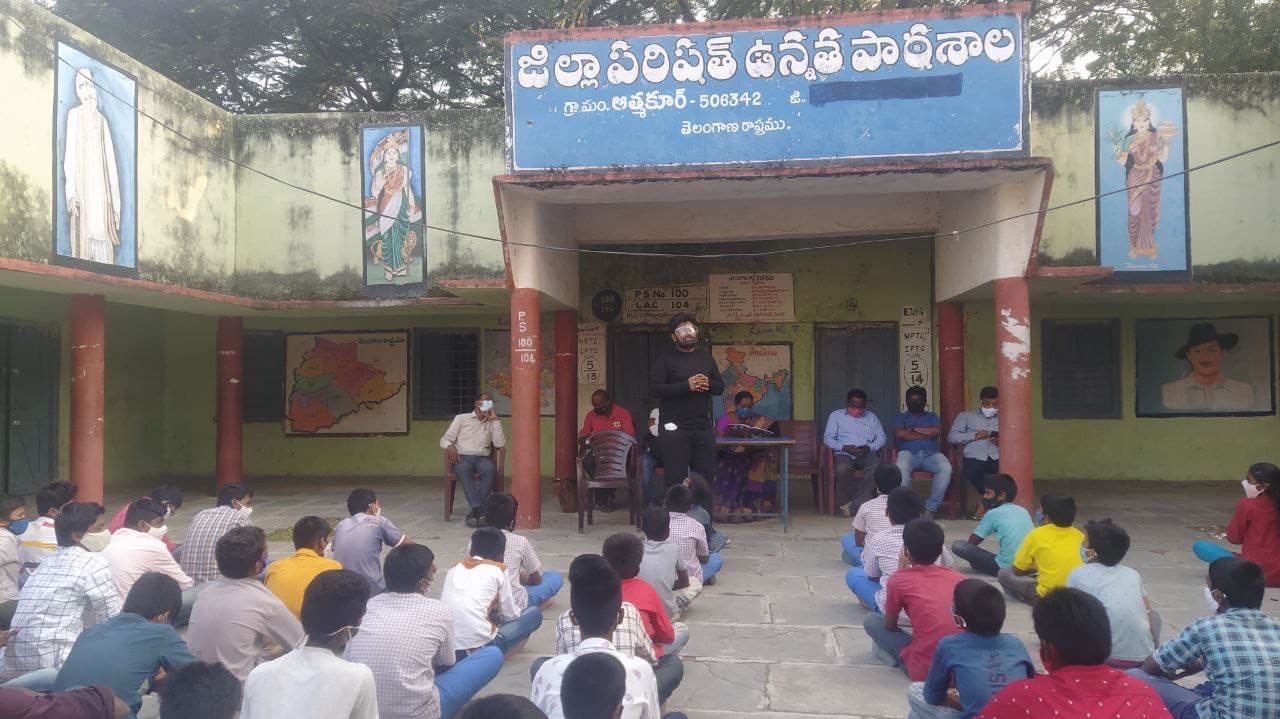
The campaign was officially launched on October 14, 2021, and was implemented through organized visits to schools. During these visits:
- Students were taught the correct way to wear masks, maintain hand hygiene, and practice physical distancing.
- Hands-on demonstrations were used alongside digital learning accessed through QR codes.
- School leaders were provided with QR-code materials for further distribution.
- Awareness messages were crafted to be suitable for different age groups, engaging, and culturally appropriate
The campaign was spearheaded by Dr. Vityala Yethindra with backing from local authorities and educational institutions, ensuring both credibility and trust from the community.
Outcomes and Impact
- Students showed high levels of engagement and quickly embraced QR-based educational tools.
- There was enhanced comprehension of COVID-19 preventive measures within school environments.
- This initiative successfully showcased digital health literacy among young people.
- The model is scalable and can be replicated in other districts and for public health initiatives.
The campaign illustrated how technology-driven micro-interventions can significantly improve public health communication during crises.
Key Insights
- Importance of innovation: Basic digital tools, such as QR codes, have the potential to revolutionize health education.
- Schools serve as influential centers for public health initiatives, and contactless approaches are crucial during infectious disease outbreaks.
- Interventions aimed at young people can lead to lasting behavioral changes at the community level.
Conclusion
The Yethindia COVID-19 Awareness Campaign exemplifies a successful case study in community public health innovation, demonstrating how digital tools, local leadership, and school-based outreach can be effectively integrated to tackle a global health crisis at the grassroots level. This initiative underscores the potential of scalable, cost-effective, and evidence-based awareness programs to enhance pandemic preparedness and build public confidence in the health system.